

Beginnings Beneath the Laurels
Nestled gently off Armstrong Road in the heart of Belmont, NC, the Laurel Walk neighborhood is more than just a collection of houses—it is a reflection of Belmont’s enduring spirit and small-town charm. The story of Laurel Walk begins before the first bricks were ever laid, rooted in the very landscape that gave it its name. Local lore says that in the early 1900s, much of what is now Laurel Walk was a patchwork of rolling meadows and laurel bushes, blooming wild along what would later become Laurel Walk Drive. These lush thickets, beloved by the area’s earliest residents, inspired both the neighborhood’s distinctive name and its tranquil, tree-filled streetscape.
Founding and Early Days
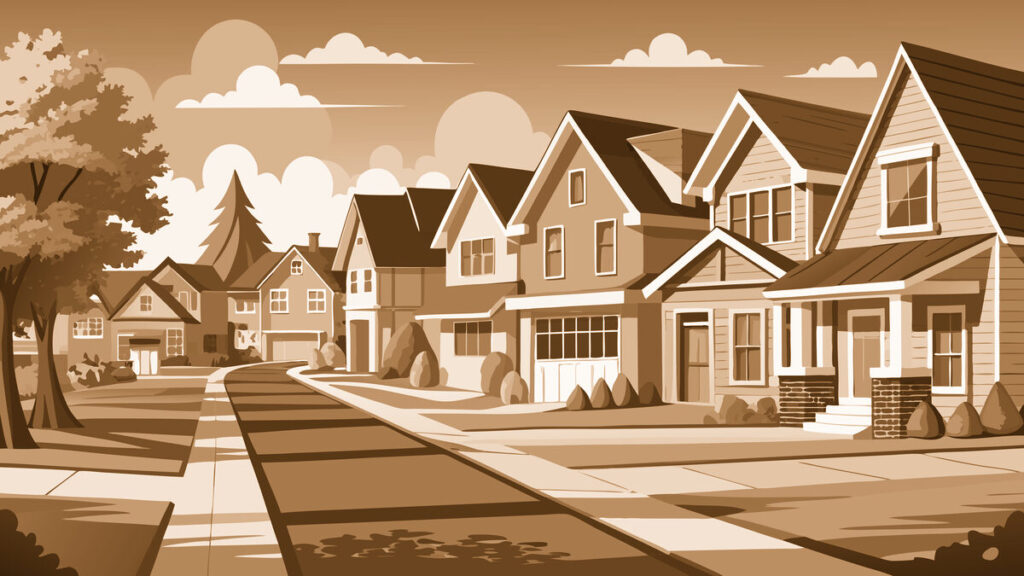
Development in Laurel Walk began in earnest in the late 1970s, as Belmont expanded beyond its textile mill roots and new families sought a peaceful, neighborly environment. The neighborhood was planned with a focus on community, safety, and the preservation of green spaces. Large lots and mature hardwoods created beloved shaded yards along streets like Laurel Walk Drive, Cedar Lane, and Fernwood Avenue. Unlike the compact mill villages settling downtown, homes here reflected a modern approach to Southern architecture: sturdy brick facades, broad porches perfect for sweet tea afternoons, and airy interiors designed to catch light from the Carolina sun.
A significant early milestone came in 1981, when the Laurel Walk Neighborhood Association formed. This group brought together longtime Belmont families—some with roots tracing back to the city’s founding—to advocate for thoughtful growth, community events, and preservation of the neighborhood’s hallmark laurel groves.
Landmarks and Neighborhood Gems
Though primarily residential, Laurel Walk boasts its own share of charms and community anchors. The small Laurel Park at the end of Fernwood Avenue may be modest, but its playground, picnic tables, and canopy of dogwoods make it a favorite for families and neighborhood gatherings. In spring, the park comes alive with blooms, recalling the wild laurels once abundant in the area.
Architecture buffs find Laurel Walk fascinating for its mix of late-20th-century styles—ranch homes alongside two-story Cape Cods, punctuated here and there by tastefully updated craftsman designs along Cedar Lane. The 1984 colonial home built at 120 Laurel Walk Drive, with its stately white columns, has been featured in Belmont’s annual home tour as a classic example of the neighborhood’s enduring appeal.
A short stroll takes residents to the historic Armstrong Road corridor, where remnants of Belmont’s past—brick school buildings and quaint churches—remain well preserved. A favorite among history-minded locals is the century-old stone milestone at the Armstrong–Laurel Walk intersection, said to have guided travelers from downtown Belmont to the nearby Catawba River ferry crossings.
Stories from the Streets
Laurel Walk’s legacy is as much about the people as the place. Generations of families—many with children who’ve attended Belmont Central Elementary—have found lifelong friends here, gathering poolside on summer evenings or joining in for holiday parades down Cedar Lane. Residents remember block parties in the 1990s, when the neighborhood association would host potlucks that turned into dance parties under string lights and the watchful boughs of age-old trees.
The neighborhood’s history also includes tales of resilience and unity. When Hurricane Hugo struck in 1989, downing trees and power lines across Gaston County, Laurel Walk neighbors banded together to clear streets, share generators, and care for the community’s oldest residents. This spirit of togetherness remains a hallmark of daily life, whether it’s organizing yard sales, supporting local charities, or decorating for the city’s annual drive-through holiday lights.
Evolution Through the Decades
Though times and trends have changed, Laurel Walk’s core values—community, green spaces, and a sense of belonging—have only deepened. Over the past two decades, several original homes have been tastefully renovated; updated kitchens, sunrooms, and backyard decks now blend seamlessly with the neighborhood’s classic look. New families have moved in, drawn by the safe streets and the proximity to downtown Belmont’s burgeoning restaurant and arts scene. Yet, Laurel Walk remains distinct from newer developments, thanks to its large trees and the gentle rolling topography that keeps every house unique.
Thriving as one of Belmont’s “hidden gems,” the neighborhood today enjoys easy access to local institutions such as Davis Park and the Belmont Public Library, as well as convenient routes to bustling Main Street. Community traditions continue—annual garden tours, movie nights in the park, and holiday bake-offs are highlights in the neighborhood calendar, reminding everyone that, in Laurel Walk, being a good neighbor is a proud tradition.
The Enduring Spirit of Laurel Walk
Ask any longtime resident and they’ll tell you: Laurel Walk is about more than attractive homes and leafy streets. It’s the quiet pride of living where history and neighborliness meet. It’s about children riding bikes on Fernwood Avenue, couples strolling beneath dogwoods on cool evenings, and families gathering every spring in Laurel Park while the laurels bloom anew. This sense of place, of shared stories and enduring values, is why so many who move to Laurel Walk decide to stay, planting roots and adding their own chapters to a remarkable neighborhood tale.
As Belmont grows and changes, Laurel Walk endures as a beloved enclave where past and present blend seamlessly—a place where every street has a story, and every neighbor feels like family.